Mastering the Art of Writing Better: A Comprehensive Guide to Improving Your Writing Skills
Welcome to our step-by-step guide on how to write better. In this tutorial, we will walk you through the process of improving your writing skills, providing you with actionable tips and examples to help you become a better writer. Whether you're a student, a professional, or simply a writing enthusiast, this guide is designed to help you enhance your writing abilities and produce high-quality content. By the end of this tutorial, you will have gained valuable insights and practical skills to write better and more effectively.
Step 1: Developing a Writing Routine to Write Better
To write better, it's essential to establish a consistent writing routine. Set aside a specific time and day to write, and stick to it. This will help you develop a writing habit and make progress on your writing projects. Start by setting realistic goals, such as writing for 30 minutes a day or 1 hour a week. As you become more comfortable with your writing routine, you can gradually increase the duration and frequency of your writing sessions. For example, you can start by writing a daily journal entry or a weekly blog post. 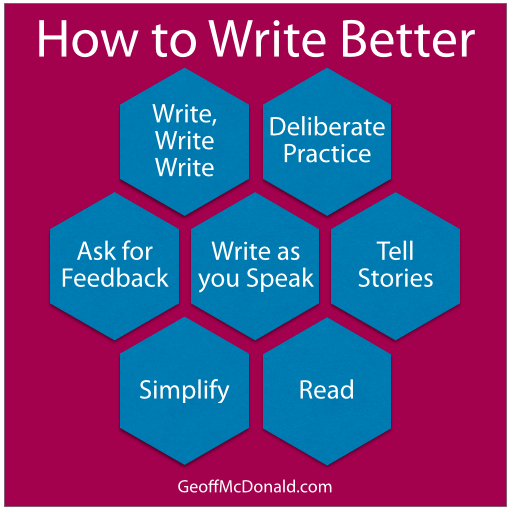
Step 2: Reading Widely to Improve Your Writing Skills and Write Better
Reading is an essential part of the writing process, and it can help you write better. Expose yourself to different writing styles, genres, and authors. Pay attention to structure, syntax, and vocabulary. Analyze what makes a piece of writing effective and try to incorporate those techniques into your own writing. Visit your local library or bookstore and explore different sections, such as fiction, nonfiction, poetry, and essays. You can also read online articles, blogs, and publications to stay up-to-date with the latest writing trends and topics. 
Step 3: Practicing Writing Exercises to Write Better
Writing exercises are an excellent way to improve your writing skills and write better. Start with simple exercises like freewriting, where you write whatever comes to mind without stopping or worrying about grammar or spelling. You can also try prompts, such as writing a story using a specific word or phrase. Another exercise is to write a descriptive paragraph about a person, place, or object. These exercises will help you develop your writing muscle and increase your creativity. For example, you can write a short story using the prompt "a mysterious box" or describe a memorable childhood experience.
Step 4: Revising and Editing to Write Better
Revising and editing are crucial steps in the writing process to write better. Once you have completed your first draft, take a break and revisit your work with fresh eyes. Review your content, structure, and language. Check for grammar, punctuation, and spelling errors. Cut out unnecessary words and phrases, and condense your writing to make it more concise. Get feedback from others, such as writing groups or beta readers, to help you identify areas for improvement. Use grammar and spell check tools, such as Grammarly or ProWritingAid, to help you refine your writing.
Step 5: Seeking Feedback and Support to Write Better
Getting feedback and support is vital to improving your writing skills and writing better. Join a writing community, either online or in-person, to connect with fellow writers and learn from their experiences. Share your work with others and ask for constructive feedback. Attend writing workshops, conferences, and webinars to learn from industry experts and stay updated on the latest writing trends. Find a writing buddy or accountability partner to help you stay motivated and on track.
Step 6: Learning from Criticism and Rejection to Write Better
Not everyone will love your writing, and that's okay. Learning from criticism and rejection is an essential part of the writing process to write better. When you receive feedback or criticism, take it as an opportunity to learn and grow. Analyze the comments and suggestions, and use them to improve your writing. Don't be discouraged by rejection; instead, use it as a chance to revise and resubmit your work. Remember that every successful writer has faced rejection at some point in their career.
Step 7: Staying Motivated and Disciplined to Write Better
Writing can be a challenging and time-consuming process, but staying motivated and disciplined is key to writing better. Set achievable goals and celebrate your successes, no matter how small. Reward yourself for reaching milestones, such as completing a certain number of words or finishing a project. Create a writing schedule and stick to it, even if it's just 10-15 minutes a day. Find a writing space that inspires you and helps you stay focused.
Step 8: Embracing Your Unique Voice and Style to Write Better
Finally, embracing your unique voice and style is essential to writing better. Don't try to imitate others or follow trends; instead, find your own voice and perspective. Experiment with different writing styles and genres to discover what works best for you. Be authentic and honest in your writing, and don't be afraid to take risks. Your unique voice and perspective are what will set you apart from others and make your writing truly special.
Frequently Asked Questions:
Q: How long does it take to become a better writer?
A: Becoming a better writer takes time, patience, and practice. It's a continuous process that requires dedication and effort.
Q: What are some common writing mistakes to avoid?
A: Common writing mistakes include poor grammar, weak sentence structure, and lack of clarity. It's essential to proofread and edit your work carefully to avoid these mistakes.
Q: How can I stay motivated to write?
A: Staying motivated to write requires setting achievable goals, finding a writing routine that works for you, and rewarding yourself for your progress. Joining a writing community or finding a writing buddy can also help you stay motivated.
How To Write Better By Following This One, Simple Rule

How to Write Better By Following This One, Simple Rule
How To Write Better By Following This One, Simple Rule
How to Write Better By Following This One, Simple Rule
How To Write Better
How to write better